
How Carbs Affect Your Vascular Health
Where does Artery Plaque Actually Come From?
Did you know the fat that can clog your arteries doesn’t necessarily come from the fat you eat? It actually comes from your liver turning extra carbs and sugar into fat!
What you eat can play an important role in your overall vascular health. Diet may influence blood sugar, triglycerides, inflammation, weight, and other factors that affect your arteries over time.
Dr. Majors, Board Certified Vascular Surgeon in Memphis, TN, shares educational information about how excess carbohydrates and sugar may contribute to poor artery health and why making better food choices can support long-term wellness.
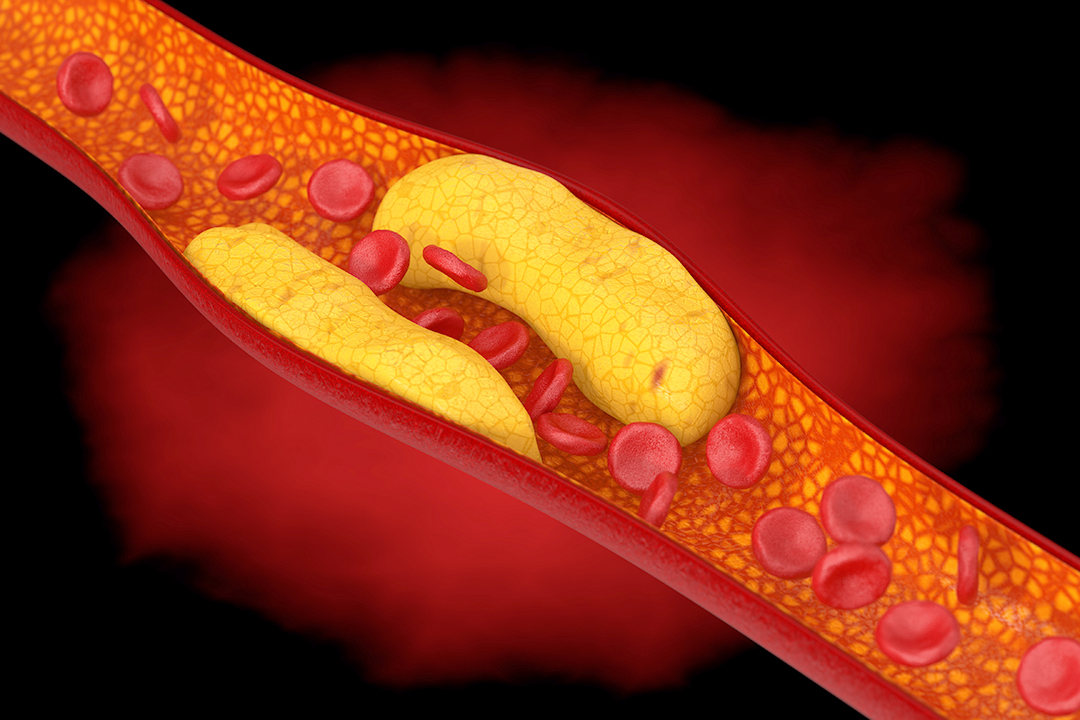
The Problem: Your Liver Converts Excess Carbs Into Fat
When you eat more carbohydrates than your body can use for energy, your body stores the excess. One way this happens is through the liver, which can convert extra sugar into fat. This process is known as de novo lipogenesis.
The liver then packages that fat into particles that circulate in the bloodstream. Over time, unhealthy metabolic patterns involving excess sugar, high triglycerides, insulin resistance, and inflammation may contribute to plaque buildup inside the arteries.
The three-step process from Carbs to Blocked Arteries
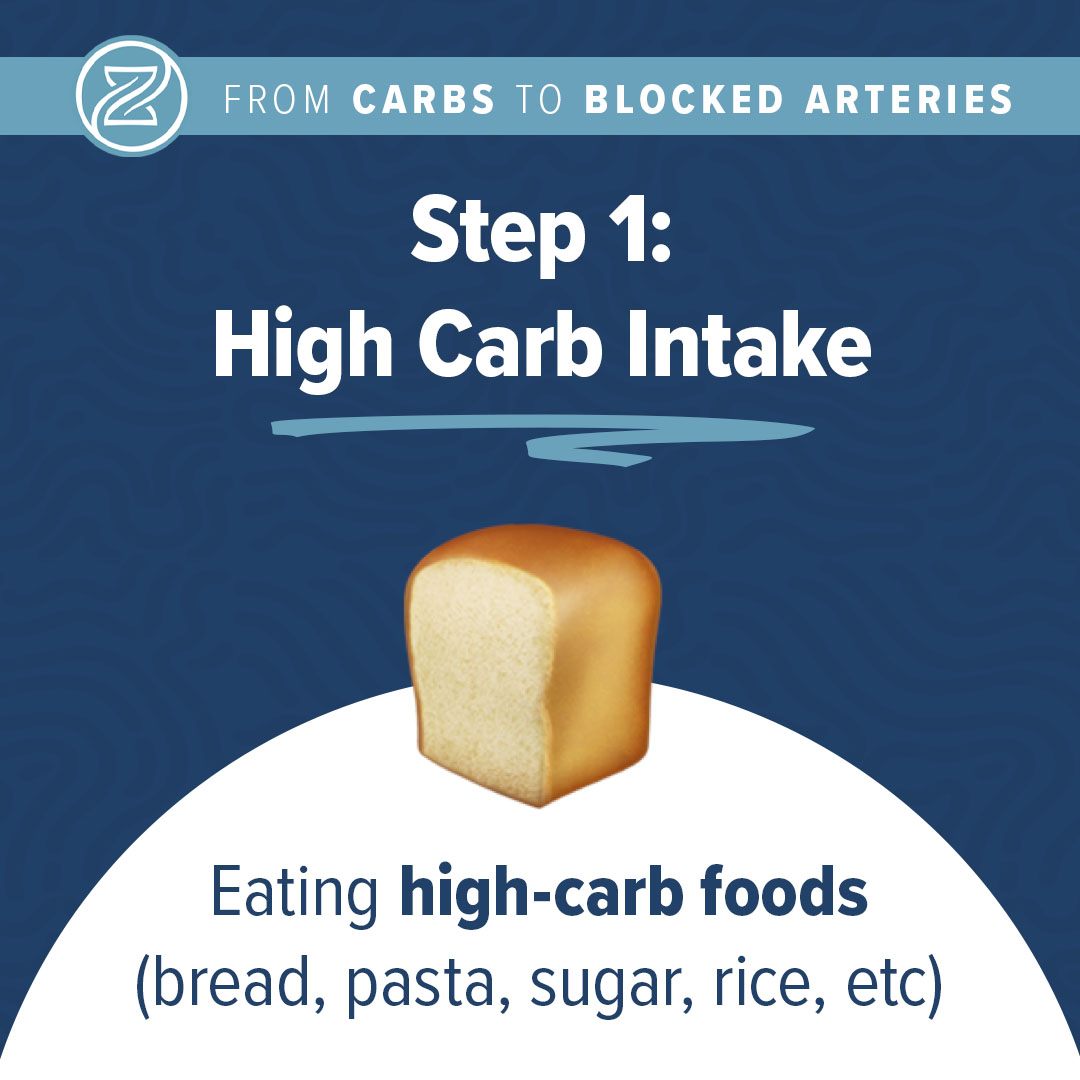
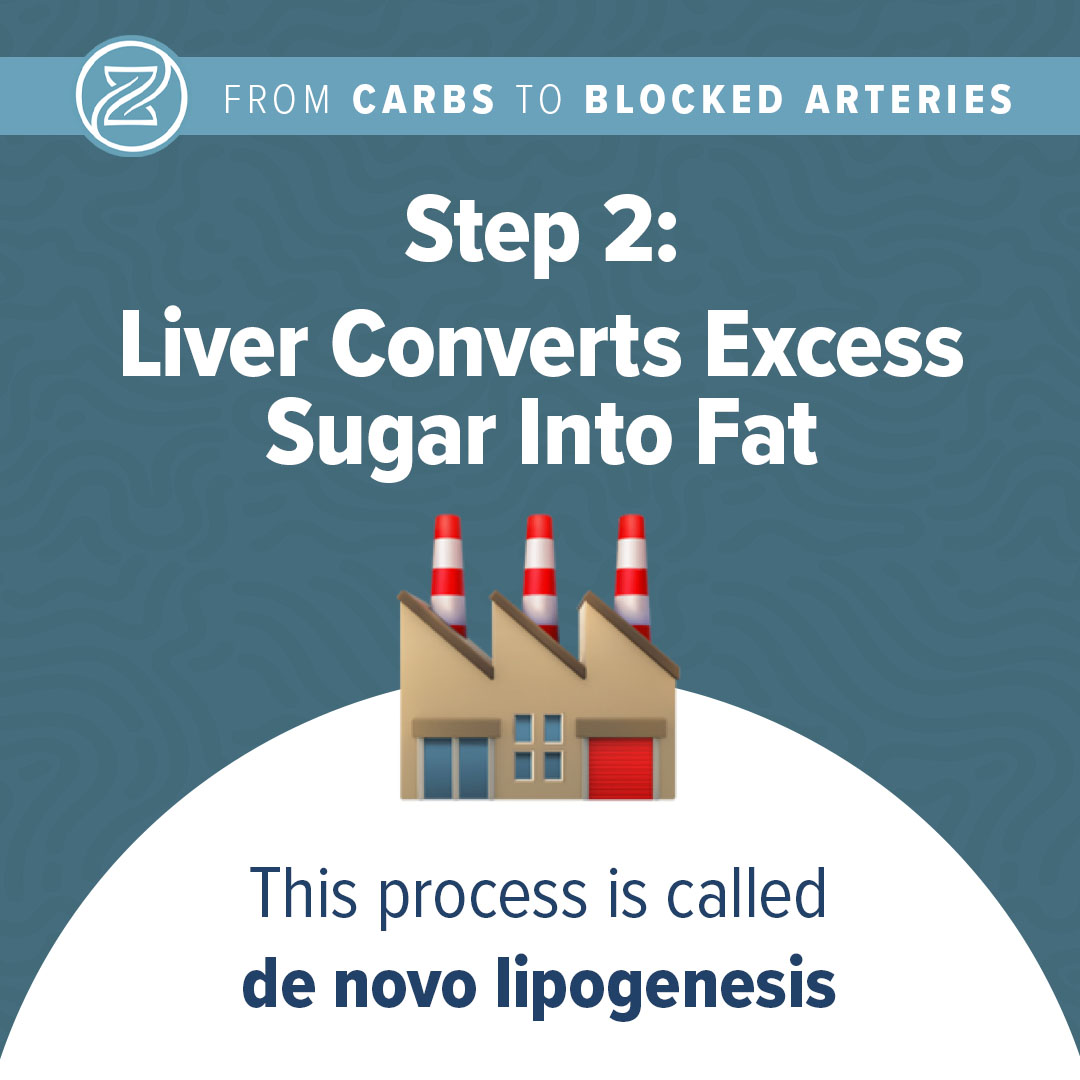
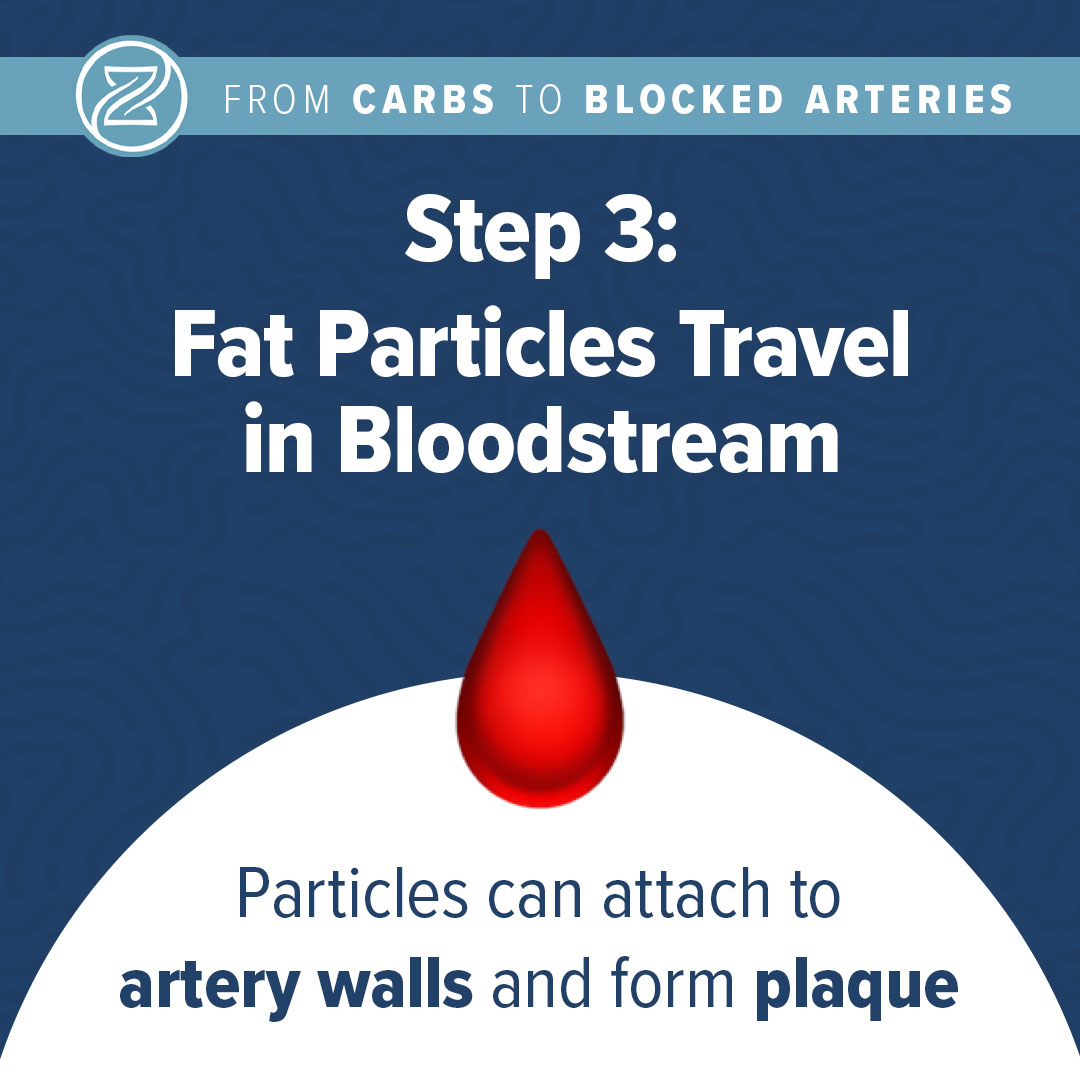
Why plaque buildup matters
When plaque builds up in your arteries, it reduces blood flow. And it’s not just limited to heart problems. Depending on where the blockage happens, it causes different vascular diseases:
Peripheral Artery Disease (PAD)
PAD affects the arteries in the legs and feet.
Common symptoms may include:
- Leg pain when walking
- Cramping
- Slow-healing wounds
- Cold feet or toes
- More about PAD >
Carotid Artery Disease
Carotid disease affects the arteries that supply the brain.
Potential concerns may include:
- Stroke
- Mini-stroke (TIA)
- Weakness or numbness
- Trouble speaking or sudden vision changes
- More about Carotid Artery Disease>
Coronary Artery Disease
CAD affects the arteries that supply the heart.
Common symptoms may include:
- Chest pain
- Shortness of breath
- Fatigue with activity
- Increased risk of heart attack
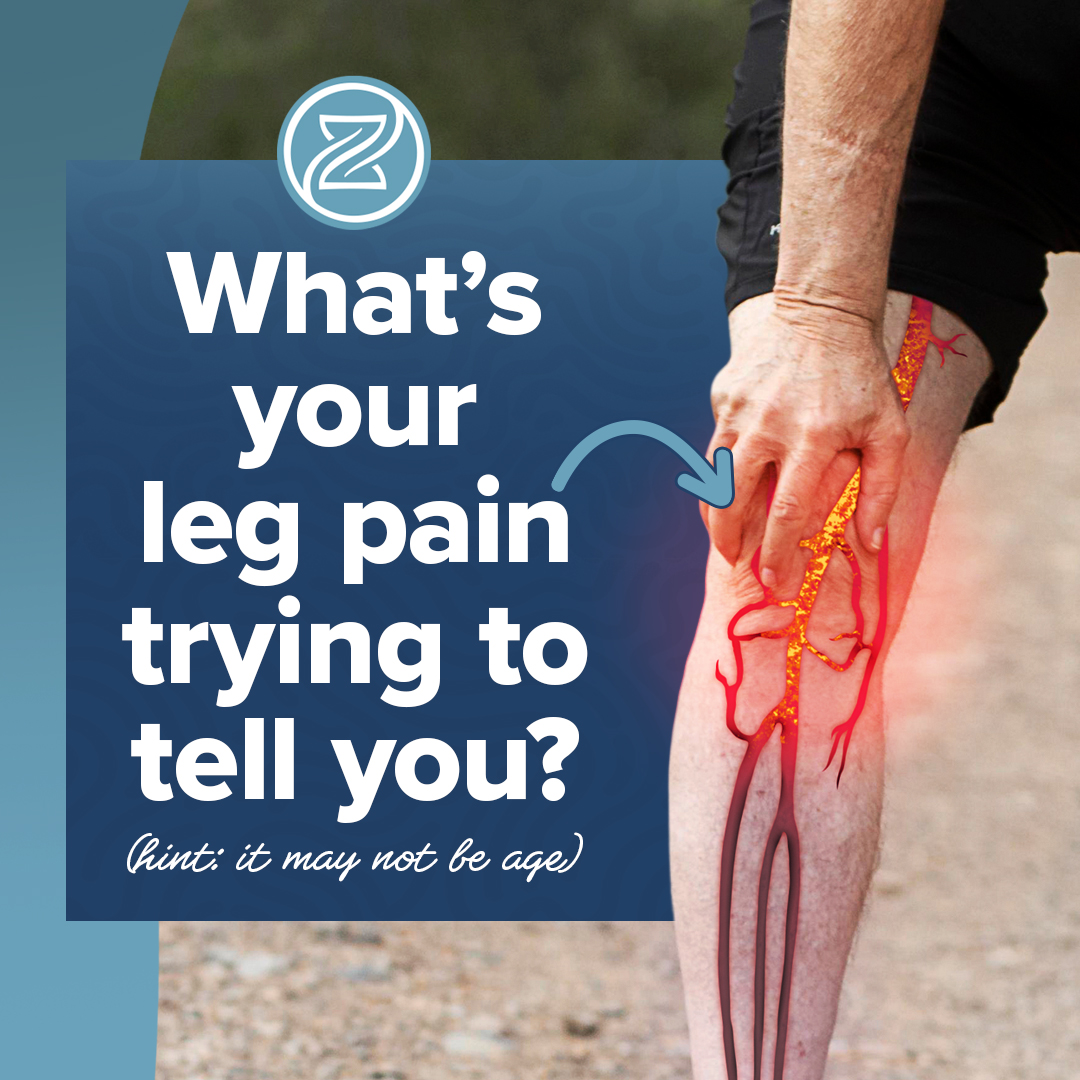
Leg pain when walking isn’t “just getting older.” It could be a sign of Peripheral Artery Disease (PAD) where plaque buildup reduces blood flow to your legs.
If you have PAD risk factors like diabetes, high blood pressure, a history of smoking, or you’re experiencing leg pain, numbness, or wounds that won’t heal, don’t ignore it. Early treatment and diet adjustments can prevent serious complications, including amputation.
Experiencing these symptoms? Take our free 1 minute online quiz that will recommend the next step in your vascular health Journey.

Bad News? Plaque Build Up.
The Good News:
Plaque buildup in your arteries is never good news. But here’s the empowering part: when you reduce excess sugar and processed carbs, your liver produces fewer fat particles. This means fewer fat particles in your blood and less plaque buildup.
Healthier food choices lead to the following:
- Decrease in triglycerides (fat)
- Increase in HDL (“good cholesterol”)
- Less plaque progression
- Body starts to heal
Improving your diet may help support better vascular and metabolic health. For many patients, reducing excess sugar and refined carbohydrates can help improve triglycerides, blood sugar control, and other markers associated with cardiovascular risk.
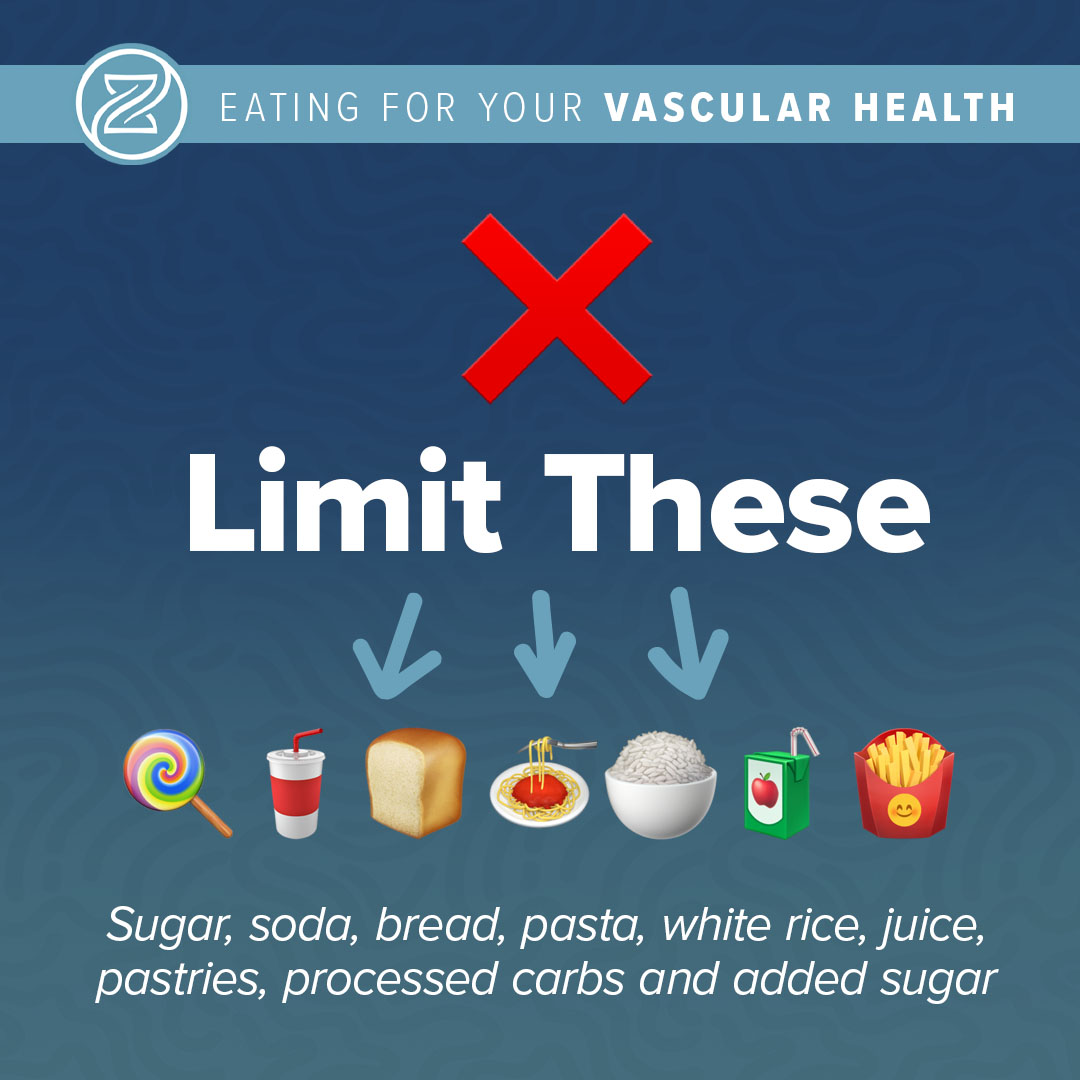
Foods to limit
Try to reduce foods and drinks that are high in sugar or heavily refined carbohydrates, such as:
- Sugar, candy, soda, and sweet tea
- Bread, bagels, crackers, and tortillas
- Pasta, white rice, and sugary cereals
- Potatoes, chips, and french fries
- Cookies, cakes, and pastries
- Fruit juice and sports drinks
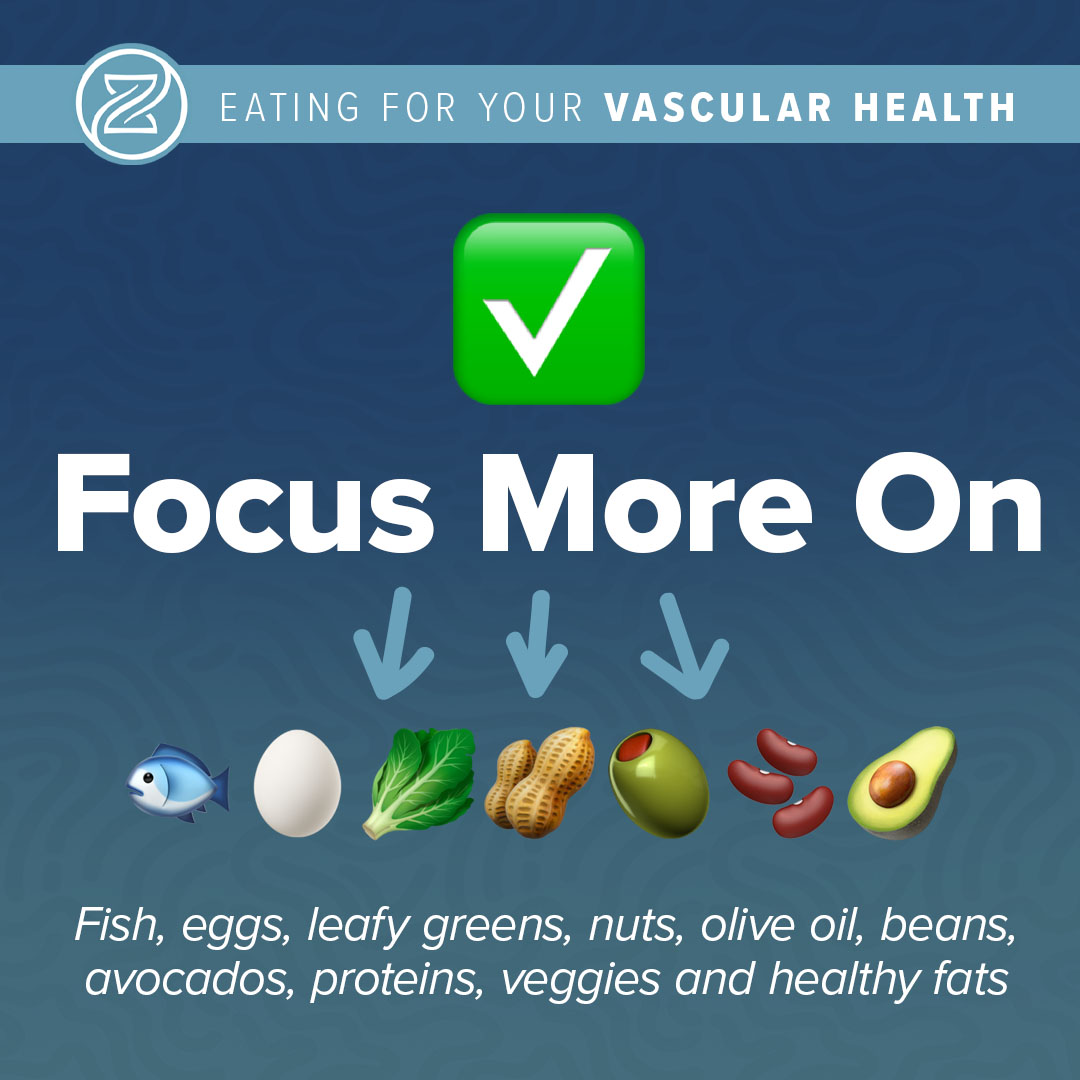
Foods to enjoy more often
Focus more on whole foods, protein, healthy fats, and lower-carb options, such as:
- Meat, chicken, fish, and seafood
- Eggs
- Cheese, butter, and cream
- Green vegetables and salads
- Nuts, seeds, and avocados
- Olive oil and coconut oil
Hear more from Dr. Majors on Vascular Health & Diet
Listen to Dr. Majors discuss vascular health, nutrition, and the role lifestyle choices may play in supporting artery health.
When to speak with a vascular specialist
Diet and lifestyle are important, but they are only part of the picture. If you are experiencing symptoms such as leg pain when walking, slow-healing wounds, swelling, carotid concerns, or other circulation problems, it may be time for a vascular evaluation.
Zenith Vascular offers advanced diagnosis and treatment for conditions including:
- Peripheral Artery Disease
- Carotid Artery Disease
- Limb Salvage and wound-related circulation concerns
- Other vascular conditions affecting blood flow
Have questions about your symptoms or vascular health? Contact Zenith Vascular to schedule an appointment.